I have had an interest in Patrick Colquhoun for last few years. My interest started with his involvement in establishing the Thames River police and his role as a social entrepreneur in promoting the need for increased policing at the end of the eighteenth century. I have also written about his ideas on work/poverty and his advice to the poor on their diet. So on a recent visit to Glasgow to attend the brilliant Activating the Archives: Prisons, Abolition and Histories of Resistance event (my report on the event can be read here) I decided to visit the site of his Glasgow home – Kelvingrove Park.
For policing scholars, aware of Colquhoun as a London magistrate, he was not a particular grand man. He haggled over salary and accommodation and appears to have been struggling to maintain the middle-class lifestyle he aspired to. So my first impression of Kelvingrove Park was its sheer size.
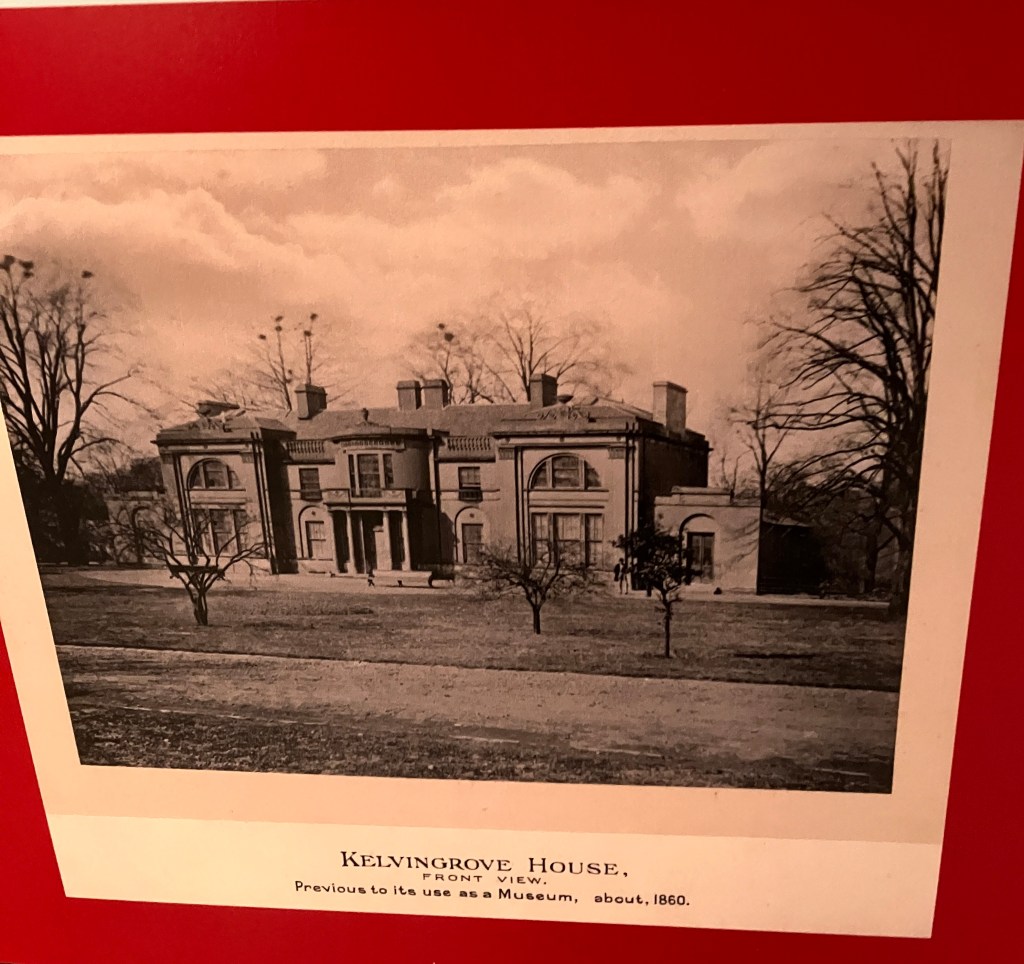
Although the estate’s house, which was built for Colquhoun (see above) no longer stands the size of the grounds is remarkable (see below). It reflects just how wealthy Colquhoun was.
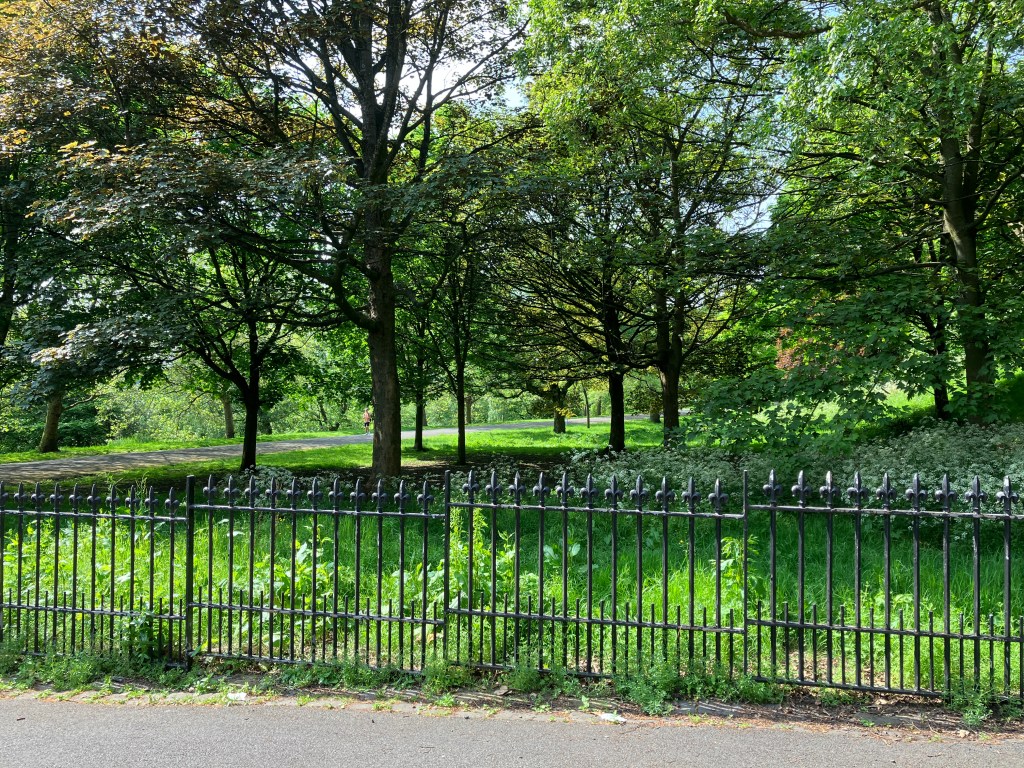
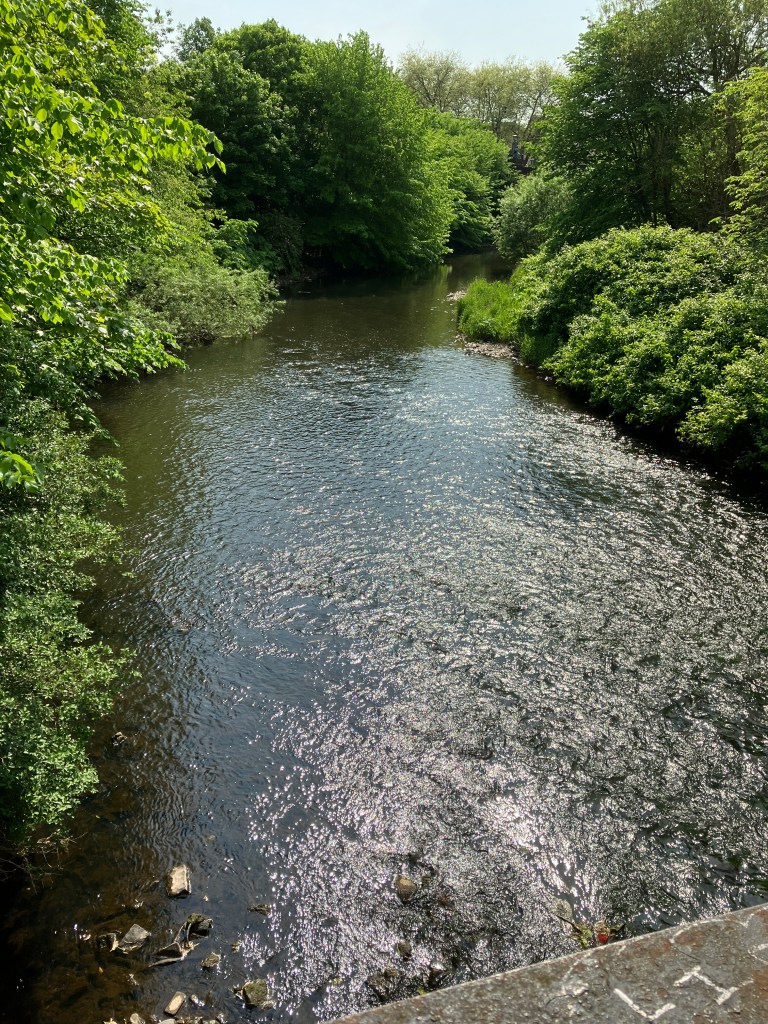
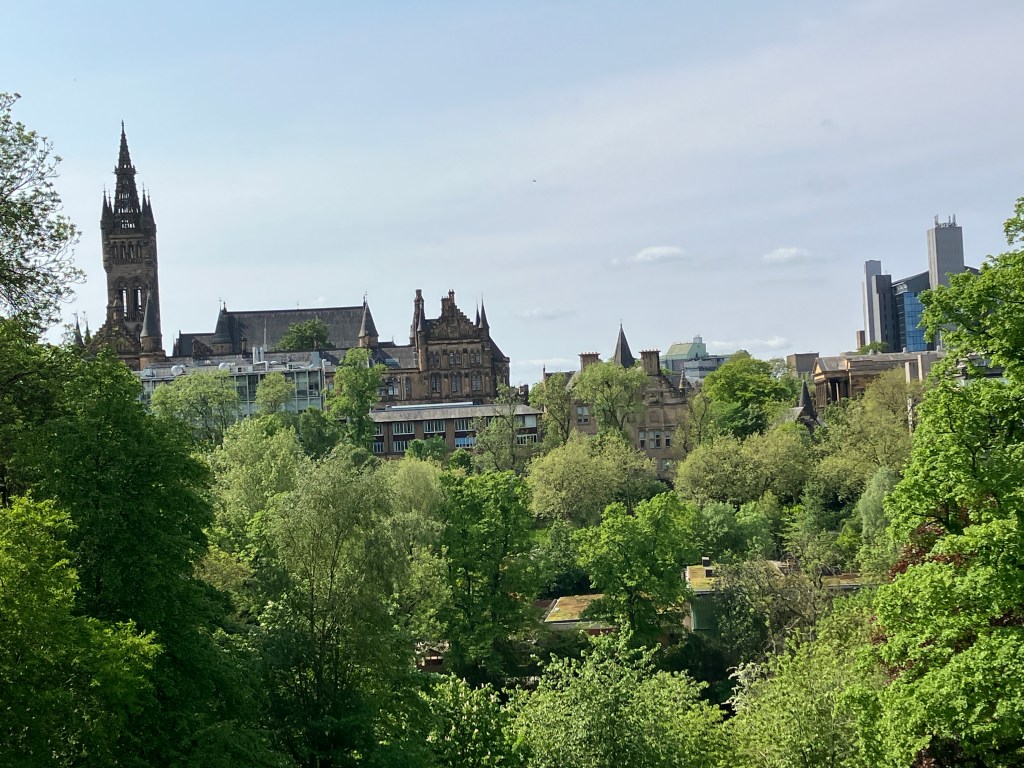
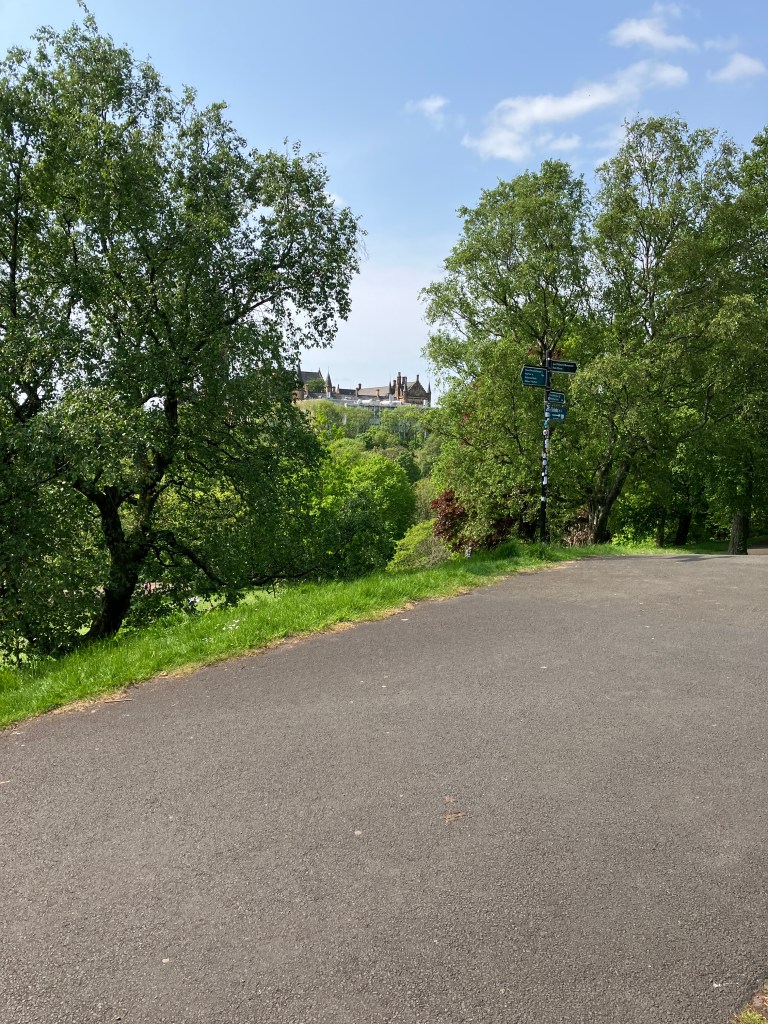
Colquhoun brought Kelvingrove in 1792. By that time he had established himself firstly, in the British slave colony of Virginia, and on his return to Scotland, as one of Glasgow’s Tobacco Lords and as a significant cotton and linen merchant. He also, in 1771, secured the government contract for transporting convicts from Scotland to the North American colonies. It was under this contract that he arranged the transportation to Virginia of the last person in the British Isles, Bel or Belinda, to be declared a slave by a court.
When he brought Kelvingrove Colquhoun’s influence was immense. He was elected to Glasgow City Council in 1778, becoming Lord Provost of Glasgow in February 1782. Not only did this establish his political leadership of the council but made him the city’s chief magistrate. Around this time he established, in Glasgow, Britain’s first Chamber of Commerce, and was soon elected as its first Chairman. Through the Chamber of Commerce Colquhoun was to emerge as an important political lobbyist in the 1780s and early 1790s. He also appears to have been key to the successful completion of the the Forth & Clyde canal linking Edinburgh and Glasgow. Rich and at the centre of the city’s business and political circles it is perhaps unsurprising to find him owning such a fine house in such incredible grounds. But I could find no mention of Colquhoun within the park despite it having an abundance of statutes, often with colonial connections. Below are pictures of the Roberts statue celebrating a British colonial General.
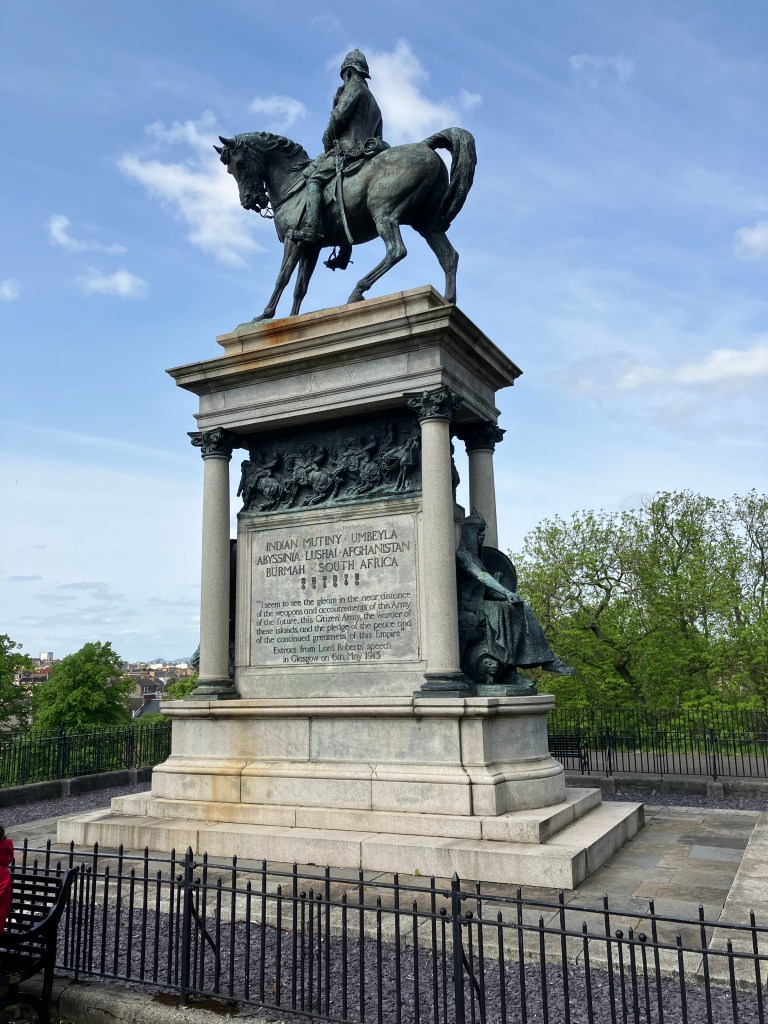
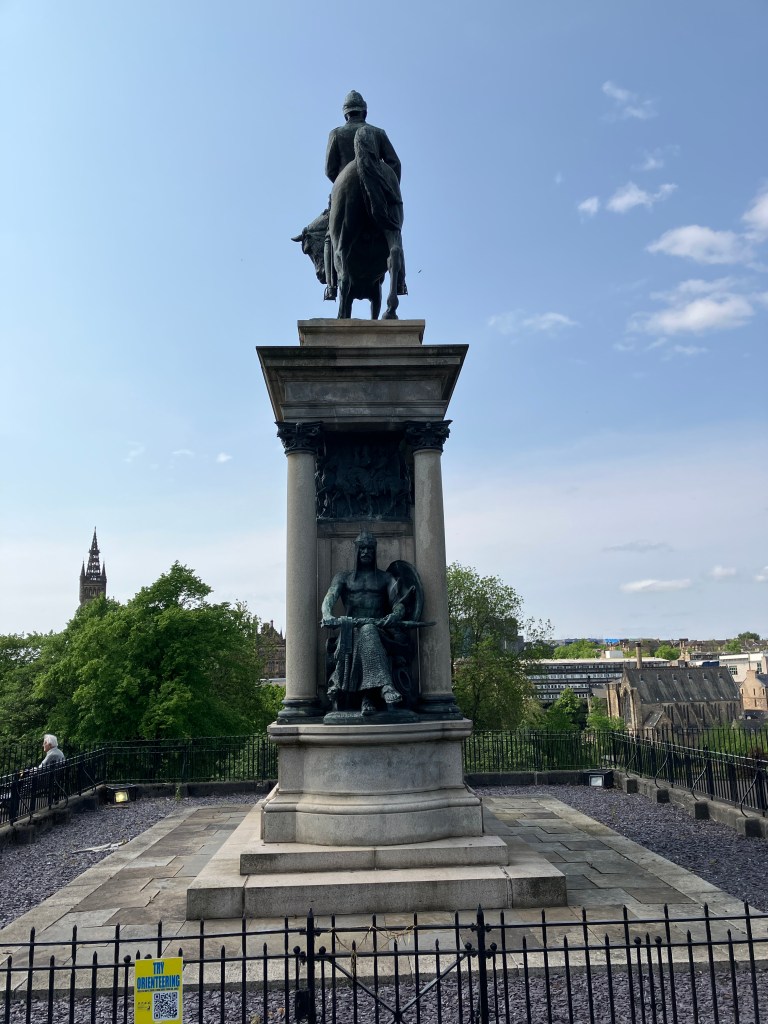
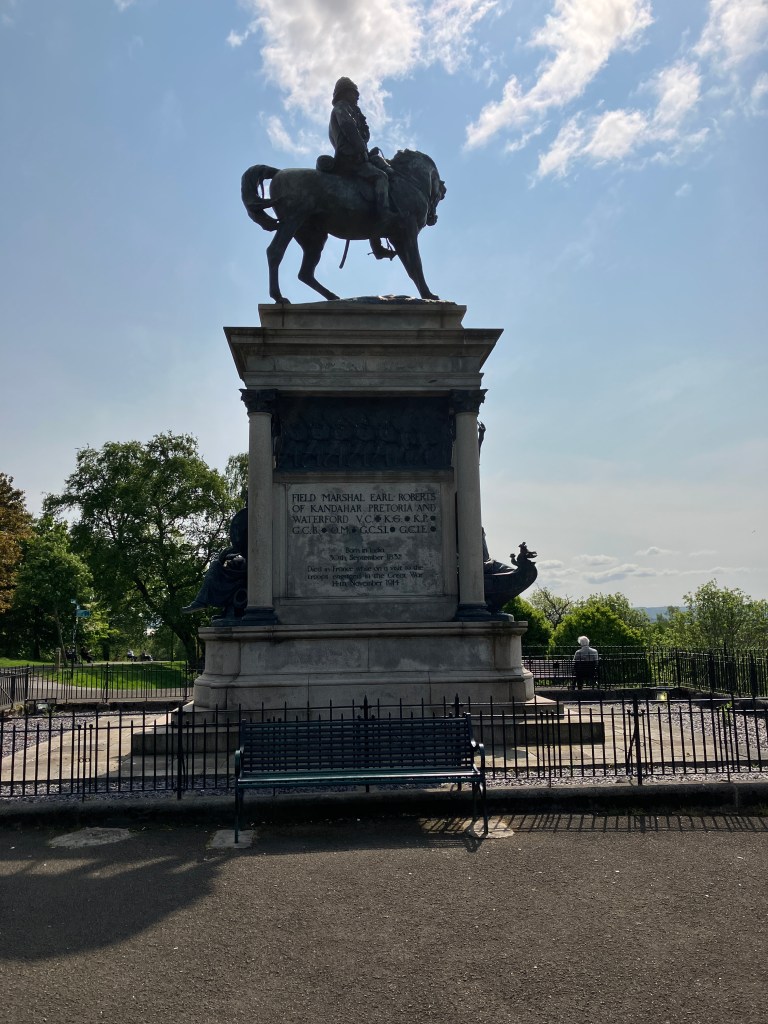
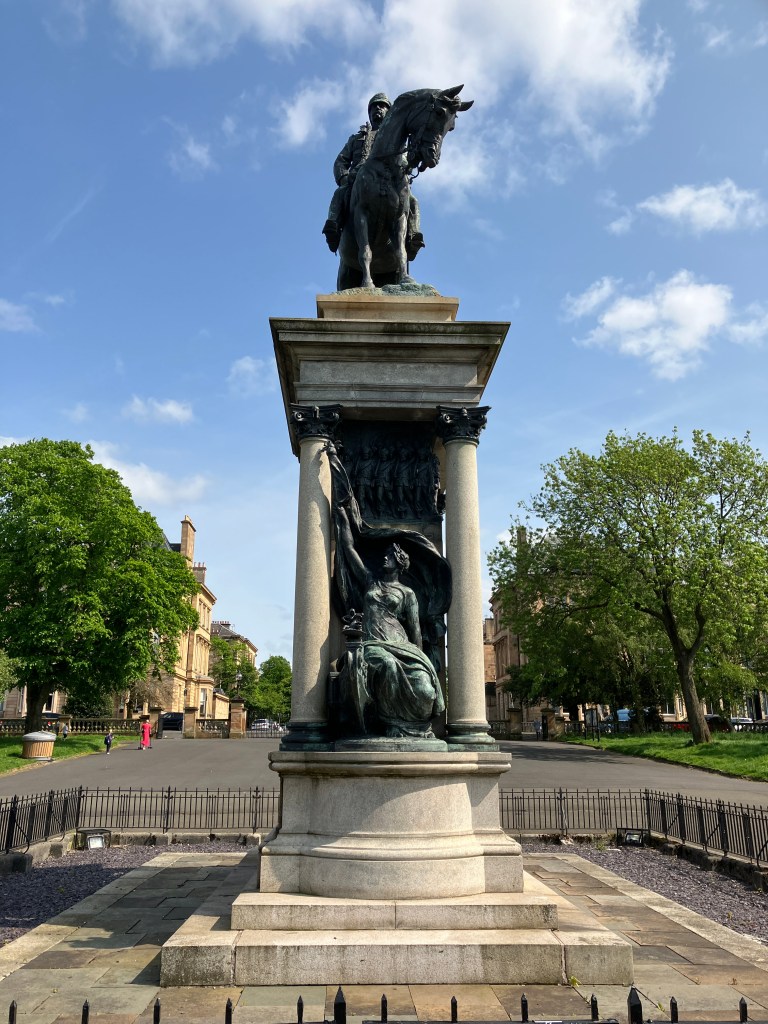
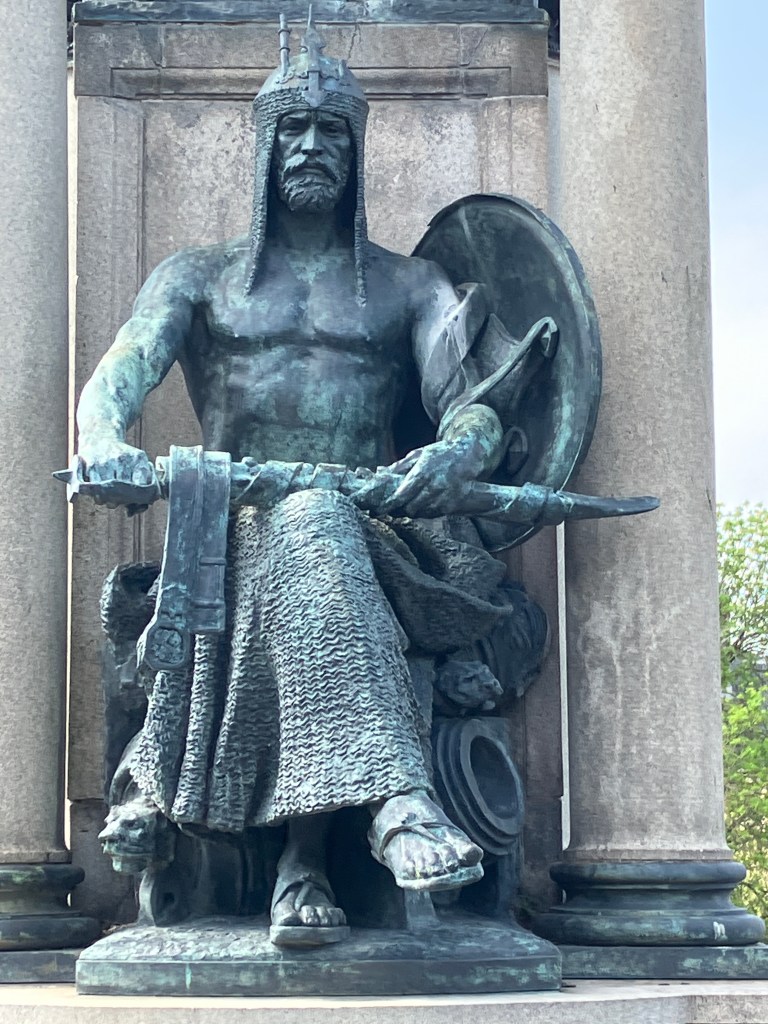

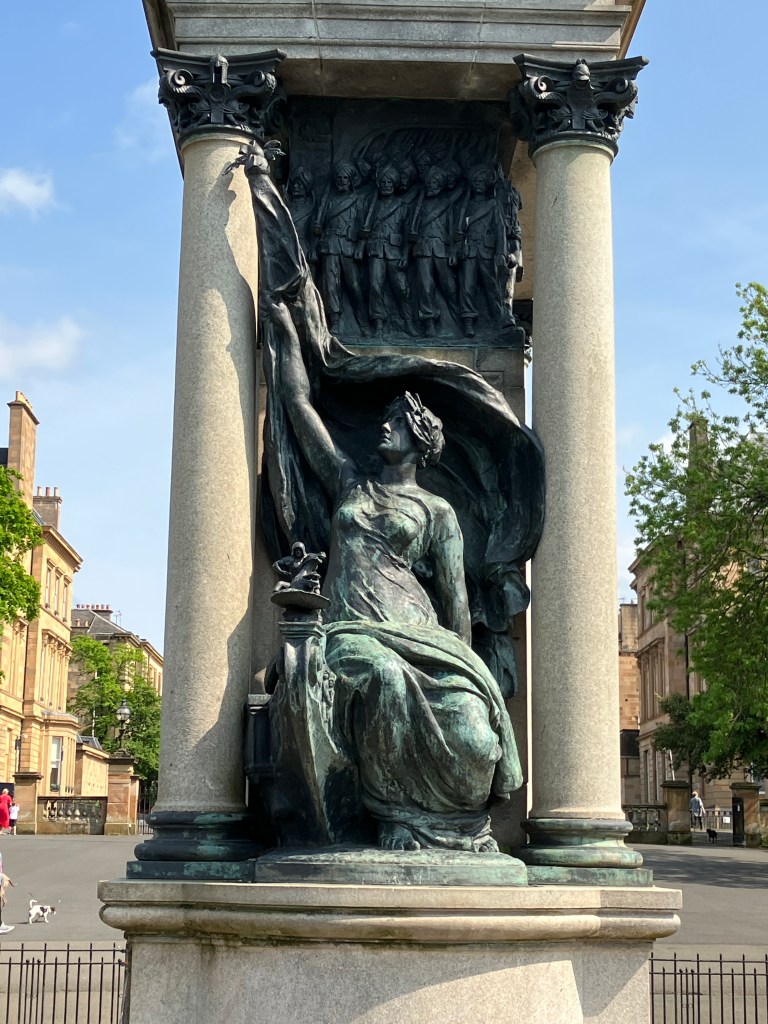
Colquhoun sold Kelvingrove in 1790 (he was in financial difficulties) to move to London. Subsequently, in the late 1860s the house and park were purchased by Glasgow’s corporation and, in 1870, the house became Glasgow’s first museum and the park became a public space. The many statutes in the park date from after this. They reflect what the elite of Glasgow considered their “heroes”.
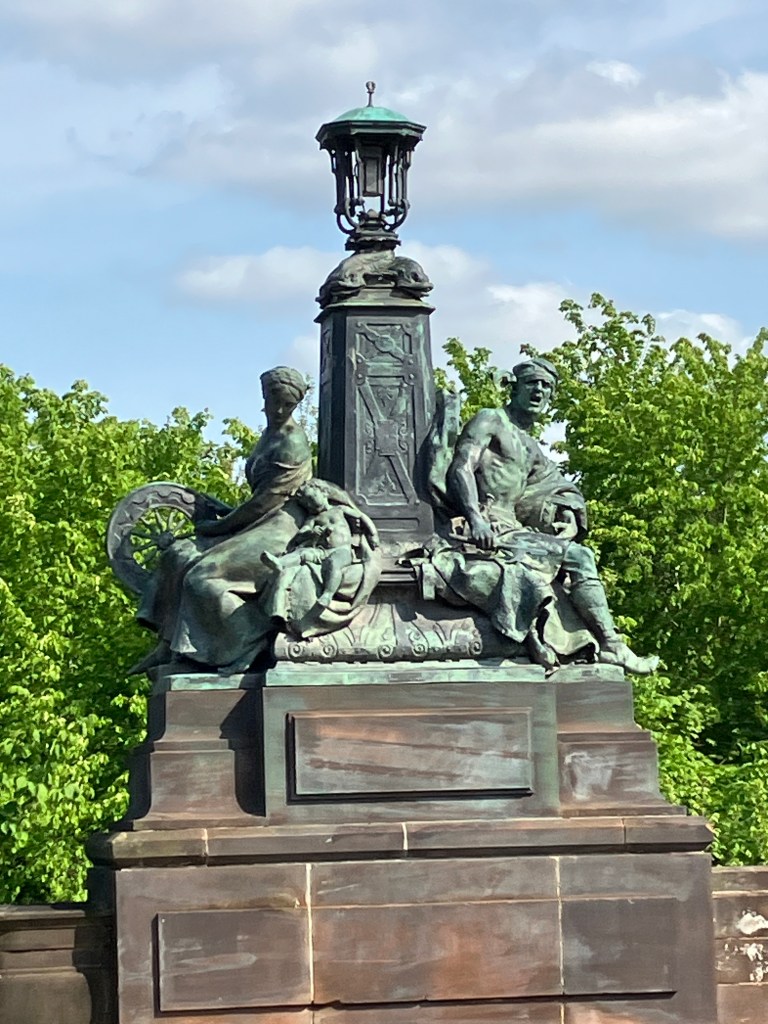
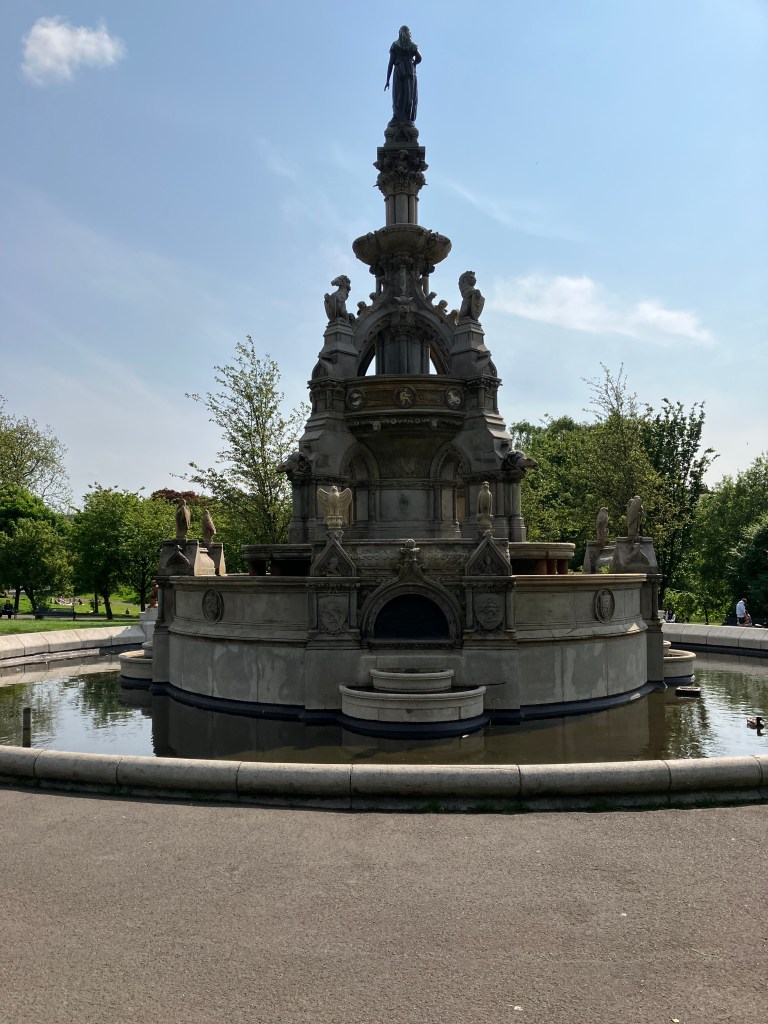
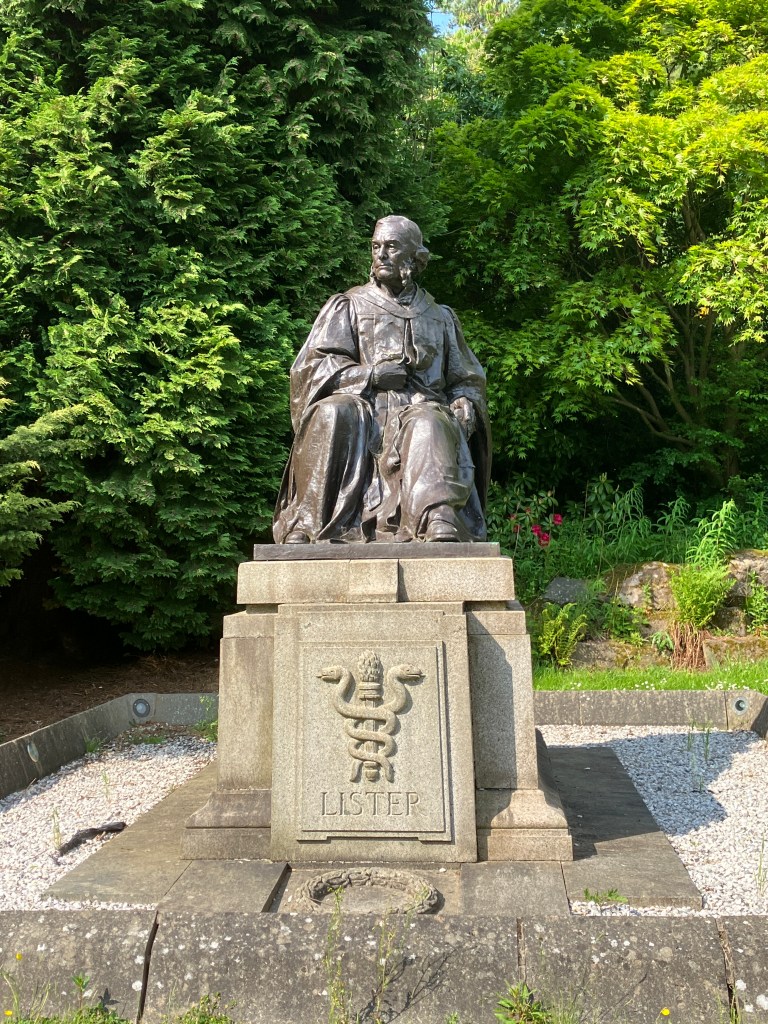

Colquhoun is absent from the park. A random survey of 30 park users found none of them had heard of Colquhoun. To find a trace of him I had to go to the new museum that was built to replaced his old house. After much looking (and requests to staff) I found this in a relatively remote part of the museum
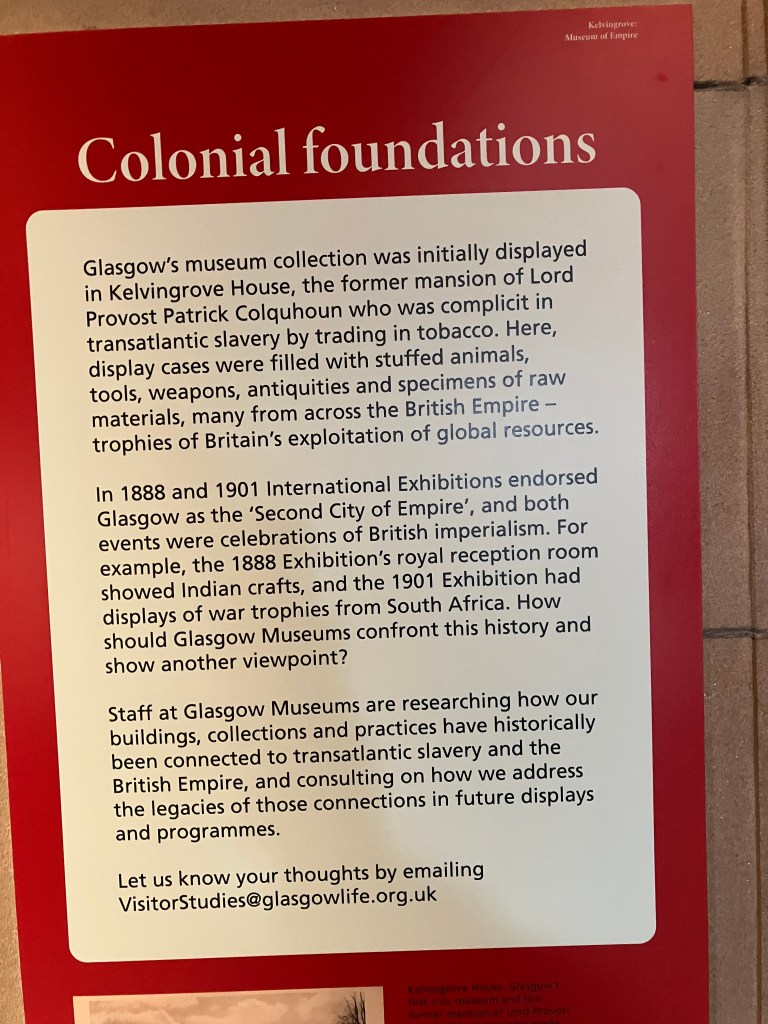
Glasgow museums do give more prominence to Colquhoun on their Legacies of Slavery in Glasgow Museums and Collections website with a webpage dedicated to Patrick Colquhoun of Kelvingrove.
People are often accused of wanting ‘to erase history’ when they campaign to remove the statutes of slavers and imperialists. Those arguing this are often deliberately ignoring the main motive of such campaigners, which is an objection to the glorification of individuals who have caused immense harms that have consequences we are still living with today. Colquhoun’s absence from his former estate shows another erasure of history.
Just as Colston had to fall in Bristol (and Roberts should in Kelvingrove) such statues need not to be destroyed but relocated, where their full story can be told, but in a place that strips them of the glorification implicit in their initial placement so prominently in public space. That is not erasing history but more accurately telling it. In this spirit it would be good to see an information board in Kelvingrove Park that would allow the Glasgow public enjoying this wonderful space to understand its history and its connection to Patrick Colquhoun, slaver.
 Trincomalee walks